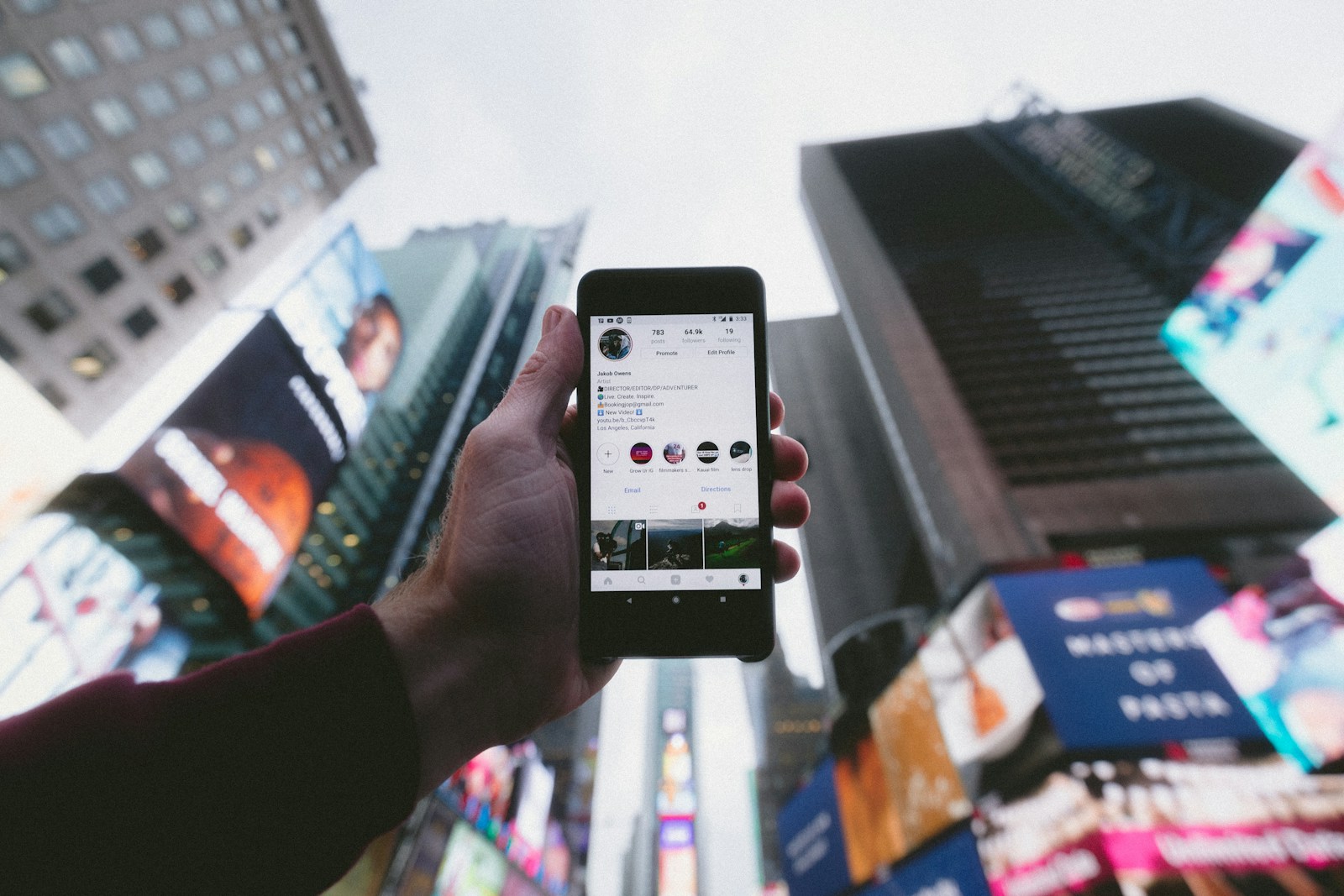
A single post can change a destination’s fate. In today’s digital world, Instagram photos, TikTok videos, and travel vlogs often hold more sway than guidebooks or brochures. Social media has become a powerful force shaping not just how we share our journeys, but also where we decide to go.
Social Media as a Planning Tool
Beyond inspiration, social platforms now serve as practical planning guides. Travelers save posts, follow hashtags, and join groups to gather tips on transportation, accommodations, and local etiquette. Social media has become an extension of the travel toolkit, blurring the line between dreaming and organizing.
If you’re curious about what’s next in the industry, see Travel Trends to Watch in 2025.
User-Generated Reviews and Peer Influence
Travelers increasingly trust the experiences of their peers over traditional sources. Platforms like TripAdvisor, Google Reviews, and even Instagram comments provide instant feedback that influences booking decisions. These real stories and unfiltered photos often hold more weight than official marketing campaigns, shaping expectations and choices.
According to a Pew Research Center study, a majority of Americans now rely on social media for news and recommendations, including travel decisions, further proving the power of online influence.
The Rise of the “Instagrammable” Destination
Many travelers now choose destinations for their visual appeal. Spots like Santorini’s whitewashed buildings or Iceland’s Blue Lagoon rose to global fame primarily through viral photos. In 2025, travelers seek locations that promise photogenic backdrops, with hotels, cafés, and even cities designing spaces to be camera-ready.
The pursuit of the perfect shot means that aesthetics often drives itineraries as much as cultural or historical value. For a closer look at destinations growing in popularity, check out Underrated European Cities Worth Visiting in 2025.
TikTok and Real-Time Inspiration
Short-form video has changed the way people discover travel ideas. TikTok Reels and YouTube Shorts showcase real travelers experiencing places in the moment—whether it’s a hidden waterfall or a quirky street food stall. These bite-sized glimpses create instant wanderlust and inspire spontaneous bookings.
For younger travelers, especially, social media is replacing traditional advertising as the primary driver of travel decisions.
The Power of Influencers
Influencers play a significant role in spotlighting destinations. A recommendation from a trusted travel blogger or content creator can bring thousands of visitors to an otherwise overlooked location. Partnerships between influencers and tourism boards have become common, reshaping marketing strategies worldwide.
While some criticize influencer-driven tourism as superficial, many creators now emphasize authentic storytelling, showing both the highlights and challenges of a destination.
For more inspiration, see The Most Photogenic Cities in the World.
Social Media’s Double-Edged Sword
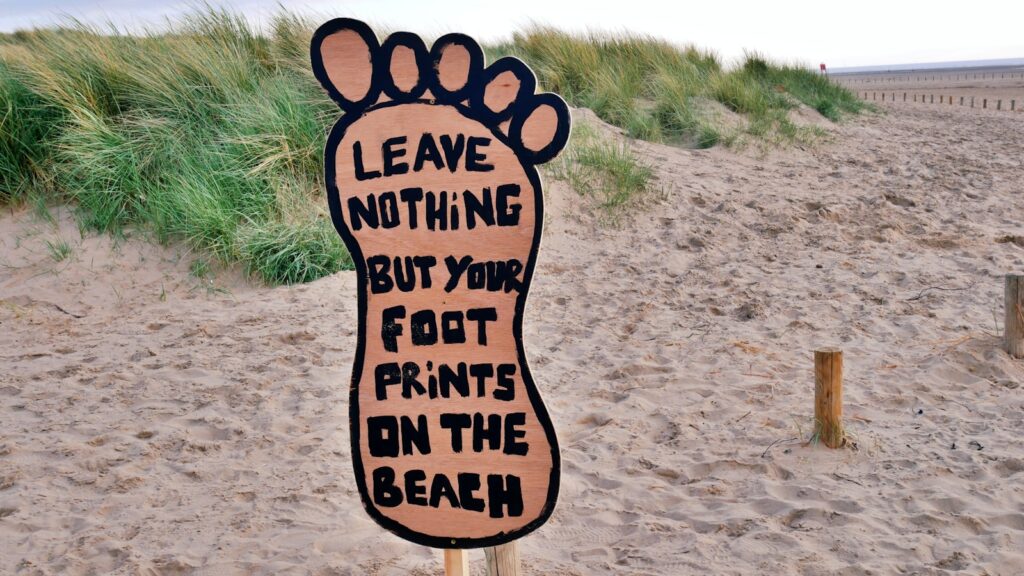
While social media boosts tourism, it can also lead to over-tourism. Fragile natural sites and small communities sometimes struggle with sudden surges of visitors after going viral. This has sparked conversations about responsible content creation and sustainable tourism practices.
At the same time, social media has also empowered travelers to uncover lesser-known destinations, spreading benefits beyond traditional tourist hubs.
The Takeaway
Social media has transformed travel from a private experience into a shared global conversation. Platforms like Instagram and TikTok now guide where we go, what we see, and how we share it.
Ultimately, social media has become both a compass and a diary—guiding us toward new places while capturing the memories that make travel meaningful. For travelers, the challenge is to balance inspiration with responsibility—seeking authentic experiences while respecting the places that inspire us.